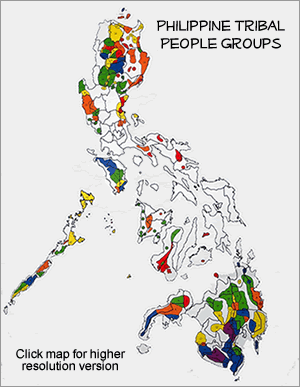
The Aeta Zambal Negrito are among the earliest inhabitants of the Philippines, believed to have arrived in the archipelago between 13,000 and 10,000 years ago from mainland Southeast Asia. They are considered Negritos, a term referring to indigenous peoples characterized by small stature, dark complexion, and curly hair. The Aeta Zambal, specifically, inhabit the mountainous regions of Zambales Province in central Luzon, including the slopes of Mount Pinatubo.
The Aeta have demonstrated remarkable cultural resilience throughout history. During Spanish colonial rule, they remained in their mountain strongholds, successfully resisting attempts to settle them in reducciones or reservations. Spanish observers recorded that the Aeta possessed iron tools and were formidable warriors with proverbial skill in hunting and combat. Through the centuries, the Aeta Zambal maintained their traditional hunter-gatherer lifestyle and mountain agriculture, showing greater resistance to cultural change than many other Filipino ethnic groups. The catastrophic eruption of Mount Pinatubo in 1991 devastated their ancestral lands, forcing many families to relocate to lowland resettlement areas in Pampanga and Tarlac. Despite this displacement, many Aeta Zambal communities have received official recognition of their ancestral domain rights through government certificates, reclaiming a measure of their traditional lands.
The Aeta Zambal traditionally engaged in hunting and gathering, with expertise in jungle survival passed down through generations. They hunted wild boar, deer, and various birds while collecting fish, shrimp, and shellfish from mountain streams. Women participate actively in hunting, with documented success rates that rival or exceed those of men, particularly when hunting collectively. Agricultural practices include swidden cultivation of mountain rice, sweet potatoes, beans, and root crops. Contemporary Aeta Zambal maintain livestock including water buffalo, pigs, and chickens, and many work as guides for eco-tourism enterprises around former military bases and nature reserves.
Family life centers on kinship networks and communal decision-making. Dwellings traditionally consisted of temporary structures made from sticks and palm leaves, though modernized communities now construct houses from bamboo and cogon grass. Extended family units work together in hunting expeditions, agricultural work, and daily subsistence activities. Food centers on rice, root crops, wild game, and freshwater fish, with ceremonial meals prepared during important celebrations.
Traditional celebrations involve ritualistic dances connected to economic activities. Before hunting wild boar or gathering shellfish, women perform dances that serve both as apologies to the animals and as spiritual charms to ensure successful catches. Men conduct bee dances before and after honey-gathering expeditions. The Aeta Zambal demonstrate remarkable artistic skills in weaving, plaiting, and carving. Women exclusively weave mats and winnows used for agricultural processing. Men craft armlets and raincoats made from palm leaves designed as practical protection against mountain weather. Body art traditions include deliberate scarification on the back, arms, chest, legs, and abdomen, with scars formed through controlled wounding and irritation with fire and lime.
Traditional Aeta Zambal spirituality centered on animism, the belief that spirits inhabit natural objects and places. The Aeta recognized both good spirits (anito) and harmful spirits (kamana), along with territorial earth spirits that must be appeased during travel. They believed in Apo Diyos, a supreme heavenly god, while simultaneously honoring lesser deities associated with hunting, forests, and seas. Healing rituals called "kagon," performed through song and dance, aimed to expel malevolent spirits from afflicted persons. The spiritual worldview was inseparable from subsistence activities, with prayers and ceremonies preceding and following hunts and harvests.
Beginning in the 1960s, evangelical Protestant missionaries from the New Tribes Mission (now Ethnos360) worked extensively among the Aeta Zambal and related groups. The mission established schools and provided pastoral training for native Aeta leaders to evangelize within their own communities. This missionary presence significantly influenced the religious landscape, and today many Aeta Zambal identify with evangelical Christianity. Jehovah's Witnesses also have communities among the Aeta. Alongside these new beliefs, some traditional beliefs persist.
Limited educational access means many Aeta adults lack literacy skills necessary for navigating modern systems including voting, reading medication instructions, and managing commercial transactions. Healthcare remains inaccessible for remote communities, with traditional healing knowledge insufficient for complex medical problems. Poverty persists despite economic opportunities created through eco-tourism, with many Aeta still struggling for subsistence.
Deforestation, illegal logging, and environmental degradation continue eroding the natural resources upon which the Aeta depend. Young Aeta are increasingly influenced by external culture, creating tension between traditional identity and modernization. Discrimination from lowland neighbors persists, with historical prejudices affecting economic and social opportunities.
Spiritually, many Aeta Zambal require discipleship in biblical truth, grounding them in Christ-centered faith rather than syncretistic blends of Christianity and traditional religion. Bible translation and Christian resources in the Zambal language would strengthen spiritual growth. Leadership development remains critical for establishing indigenous churches that operate independently of foreign missionaries.
Pray that the Holy Spirit awakens genuine, transformative faith among the Aeta Zambal, leading them to abandon syncretistic practices and follow Jesus Christ with wholehearted commitment and obedience.
Ask the Lord to raise up from within the Aeta Zambal community Spirit-filled pastors, teachers, and evangelists who understand their culture intimately and can proclaim Christ's gospel with authenticity and power to their own people.
Intercede for Bible translation efforts in the Zambal language and the development of discipleship resources addressing Aeta worldview and cultural context, ensuring God's Word becomes accessible and transformative.
Pray that Aeta Zambal believers become catalysts for spiritual awakening throughout the Cordillera region and beyond, boldly witnessing to neighboring less-reached ethnic groups and establishing churches that plant gospel seeds across the Philippines.
Scripture Prayers for the Negrito, Aeta Zambal in Philippines.
CulturePop. "The Aeta People: Indigenous Tribe of the Philippines." https://culturepop.com/hrblog/21wvoxth6qv0trgyspxclvan5f3k8b-gt2ca
Encyclopedia.com. "Negrito (Pinatubo Aeta Group)." https://www.encyclopedia.com/humanities/encyclopedias-almanacs-transcripts-and-maps/negrito-pinatubo-aeta-group
Ethnos360. "Who We Are." https://www.ethnos360.org/
Facts and Details. "Negritos of the Philippines: History, Groups, Culture." https://factsanddetails.com/southeast-asia/Philippines/sub5_6d/entry-3884.html
PeopleGroups.org. "Aeta Negrito of Philippines." https://www.peoplegroups.org/Explore/groupdetails.aspx-peid=7609
The African History. "These Native Africans Were the Original Inhabitants of the Philippines." https://theafricanhistory.com/2767
Wikipedia. "Aeta people." https://en.wikipedia.org/wiki/Aeta_people
Zambales. "Culture and Its People." https://edzambales.wordpress.com/culture-and-its-people/
| Profile Source: Joshua Project |