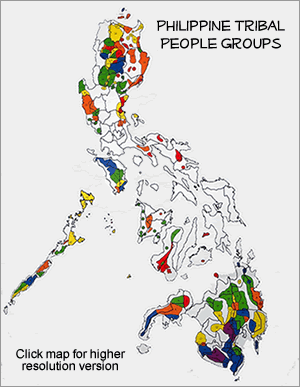
The Alangan are one of the Mangyan peoples of Mindoro in the Philippines. They live mainly in the mountainous interior of the island, where small communities are spread across forested valleys and upland slopes. Their language, also called Alangan, reflects their long history in this region and remains central to their identity. For generations, Alangan families have lived in relative isolation, shaping a way of life closely tied to their land, farming practices, and kinship structures. Although outside influence continues to grow through road access, school systems, and trade, the core of Alangan cultural identity has endured.
Alangan communities are typically agricultural, relying on swidden farming, small gardens, and forest resources. Families work together to clear fields, plant crops, and gather food from the surrounding environment. Daily rhythms revolve around tending crops, preparing meals, caring for children, and maintaining small homes built from local materials. In some areas, cash income may come from gathering forest products or occasional wage labor.
Family life is deeply interconnected. Elders are respected as keepers of traditional knowledge, and decisions affecting the community are often made through shared discussion. Social life includes village gatherings, simple celebrations tied to the seasons, and communal cooperation during planting or harvest times. While younger generations increasingly participate in formal education and modern communication, many Alangan still value the customs passed down from their ancestors.
The Alangan have traditionally followed animistic beliefs, with practices centered on the spirit world and unseen forces believed to influence health, farming, and protection. These beliefs may still be present in some families, shaping rituals and community expectations. At the same time, exposure to Christianity has grown in various parts of Mindoro, and some Alangan have begun engaging with Christian teaching.
As with many Indigenous groups, the blending of traditional practices with newer influences. Yet the deeper spiritual need remains the same: the Alangan need the hope found only in Jesus Christ. Where churches or Christian fellowships are present, continued growth, discipleship, and clarity in biblical teaching are important for strengthening faith.
Alangan families often face challenges related to health care, transportation, and limited access to stable sources of income. Mountain communities may be far from medical facilities, making treatment for illness or injury difficult. Education can also be limited by distance, cost, or shortages of teachers and resources.
Spiritually, the Alangan would benefit from deeper engagement with Scripture, opportunities for discipleship, and strong local leaders who can shepherd new believers. Clear teaching can help families understand the good news of Christ in ways that build on their own language and experience. Support for community development, sustainable farming, and improved access to essential services would also help address everyday needs.
Pray for Alangan believers to grow in spiritual maturity and faithfulness to Christ.
Pray for strong local leaders who can teach Scripture clearly and guide others with humility and wisdom.
Pray for families still practicing traditional religion to encounter the transforming power of the gospel.
Pray for improved access to health care, education, and sustainable livelihoods for all Alangan communities.
Pray that Alangan Christians will gain a vision to share Christ with other peoples of Mindoro and beyond.
Scripture Prayers for the Alangan in Philippines.
| Profile Source: Joshua Project |