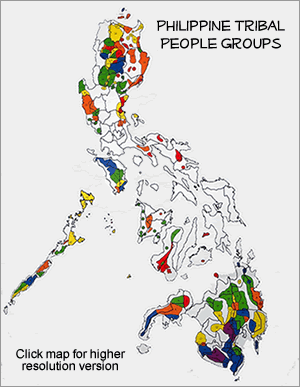

Balangao Bontoc is an indigenous people who live in the mountainous areas of Mountain Province in northern Luzon in the Philippines. Their communities are primarily located in the municipality of Natonin and nearby villages within the Cordillera Central mountain range. They are part of the larger cultural grouping often called the Bontoc peoples, though the Balangao maintain their own language and local identity.
The Balangao language belongs to the Central Cordilleran branch of the Austronesian language family. It is closely related to the languages spoken by other groups in the Cordillera region, including Bontoc and Kankanaey peoples. Because of the mountainous terrain, villages historically developed in relative isolation from one another. This allowed communities to preserve distinct dialects, customs, and traditions.
Historically, the Balangao lived in self-sufficient villages surrounded by rice terraces and mountain forests. Leadership in the community was often exercised by respected elders who guided village decisions and helped settle disputes. Traditions, values, and historical accounts were passed down through oral storytelling rather than written records.
During the twentieth century, increased contact with the Philippine government, schools, and transportation systems brought gradual changes to Balangao communities. Roads, education, and migration have connected many families more closely with the wider Philippine society. Despite these changes, many Balangao people continue to maintain strong ties to their ancestral lands and traditional social structures.
Agriculture is central to Balangao daily life. Farmers cultivate rice in terraced fields built along the steep mountain slopes. These terraces require careful maintenance and irrigation, and farming knowledge is passed down through generations. In addition to rice, families grow crops such as sweet potatoes, corn, beans, and vegetables. Some households also raise pigs and chickens.
Food typically includes rice as the main staple, accompanied by vegetables, root crops, and occasionally meat or fish. Locally grown foods and seasonal harvests shape daily meals. Families often prepare and eat meals together, reinforcing strong family relationships.
Balangao homes are traditionally built from wood and bamboo and may be raised slightly above the ground. Villages are often close-knit, with relatives living near one another. Family ties are important, and cooperation between households is common during planting, harvesting, house construction, and community events.
Community life includes gatherings that mark important agricultural seasons and social events. Music, dancing, and storytelling have long been part of cultural celebrations. In the past, certain ceremonies were connected to planting and harvest cycles. Today many celebrations also include Christian holidays and church activities, which have become an important part of community life in many villages.
Education and migration have introduced new opportunities for younger Balangao generations. Some travel to larger towns or cities for school or employment while still maintaining connections with their home villages.
In earlier times the Balangao practiced traditional ethnic religions that involved belief in spiritual beings associated with nature, ancestors, and unseen forces. Ritual specialists performed ceremonies intended to maintain harmony with these spirits and to seek blessing for harvests, health, and protection.
Over time, Christianity spread throughout the Cordillera region, and many Balangao communities today identify with Protestant Christian traditions. Churches are active in many villages, and Christian gatherings such as worship services, Bible studies, and prayer meetings play a significant role in community life.
Even though Christianity has become the primary religious identity for many Balangao people, some traditional ideas about the spiritual world may still influence cultural practices or community customs. In some areas, elements of older beliefs remain part of cultural memory and tradition.
Local churches and Christian leaders play an important role in teaching the Bible and guiding believers in their faith. Many congregations also emphasize community cooperation, education, and spiritual growth.
Many Balangao villages live in remote mountain areas where travel can be difficult and access to services may be limited. Continued improvements in transportation, education, and healthcare can strengthen the well-being of families living in these communities.
Agricultural support and sustainable farming practices can help farmers maintain productive rice terraces and protect the surrounding environment. Economic opportunities for younger generations can also help families remain stable while preserving their cultural heritage.
Spiritually, although many Balangao identify as Christians, there is still a need for strong biblical teaching and discipleship. Churches need trained leaders who can teach Scripture clearly and help believers grow in their understanding of the gospel. Resources in the Balangao language can also help strengthen faith within local congregations.
Pray for safe and productive harvests for Balangao farming communities.
Pray for improved access to education, healthcare, and transportation in mountain villages.
Pray that Balangao churches will grow in strong biblical teaching and discipleship.
Pray that Balangao believers will share their faith with neighboring communities in the Cordillera region.
Scripture Prayers for the Balangao Bontoc in Philippines.
| Profile Source: Joshua Project |