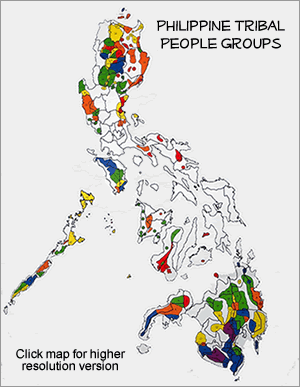
The Buhid are one of the Mangyan peoples living on the island of Mindoro in the Philippines. They are primarily found in the mountainous and interior areas of southern Mindoro, particularly in remote upland communities that are often difficult to access. The Buhid speak the Buhid language, which belongs to the Austronesian language family. Many also have some ability in regional trade languages, but their mother tongue remains central to their identity.
The Buhid are known for preserving an indigenous writing system, one of the few traditional scripts still used among minority groups in the Philippines. Their history has been shaped by migration pressures, lowland settlement, and gradual integration into broader Philippine society. While some Buhid have relocated closer to towns, many continue to maintain distinct communities in more isolated areas, allowing them to preserve aspects of their cultural heritage.
Over time, government programs, education initiatives, and missionary efforts have increased contact with the outside world. Despite these influences, the Buhid retain a strong sense of ethnic identity tied to land, language, and kinship.
Today, many Buhid families practice small-scale farming in upland areas. Rice, root crops, bananas, and vegetables are commonly grown for daily consumption. Swidden agriculture remains a practical method in some communities, though access to stable farmland can be limited. Hunting, fishing, and gathering forest products may supplement the family diet. Meals are simple and centered on rice or root crops, often accompanied by vegetables or occasionally meat or fish when available.
Daily life is physically demanding. Work in the fields, gathering firewood, carrying water, and maintaining homes requires cooperation among family members. Homes are typically modest structures made from local materials. In more accessible areas, some families have begun using modern building supplies and tools.
Family relationships are central to Buhid society. Extended families often live near one another and provide mutual support. Marriage establishes bonds not only between individuals but also between families. Elders are respected for their wisdom and guidance, and community decisions may involve consultation among leaders.
Education is increasingly valued, though access to consistent schooling can be limited by geography and economic constraints. Some Buhid children attend government schools, while others remain in their communities to assist with family responsibilities.
Community gatherings and celebrations often mark important life events such as marriages or harvests. Music, storytelling, and shared meals strengthen social ties. Even as modernization slowly reaches more areas of Mindoro, many Buhid continue to live close to the land and to one another.
The Buhid traditionally practice animistic beliefs rooted in a worldview that recognizes spirits inhabiting nature. Many believe that unseen beings influence health, crops, and daily events. Rituals may be performed to seek protection, healing, or favor from these spirits. Community leaders or ritual specialists often guide such practices.
In recent decades, some Buhid have been exposed to Christianity through outreach efforts and contact with lowland churches. A number have identified with Christian teaching, and small groups of believers gather for worship and Bible study. However, traditional beliefs often continue alongside newer influences, and spiritual understanding may be mixed.
For many Buhid, spiritual power is closely tied to maintaining harmony with the spirit world and avoiding offense to unseen forces. Fear of illness, misfortune, or spiritual attack can shape daily decisions. The message of Jesus Christ as Savior and Lord, offering freedom from fear and reconciliation with God, has not yet been clearly understood by all.
Where Christian communities exist among the Buhid, there is opportunity for deeper discipleship and biblical teaching so that faith is rooted firmly in scripture and the finished work of Jesus Christ.
Greater access to healthcare would strengthen families who often live far from medical facilities. Improved education and literacy in both their own language and the national language would open doors for future generations. Secure land rights and sustainable agricultural support would help communities thrive without fear of displacement.
Clear and culturally meaningful presentation of the gospel is essential so that the Buhid can understand who Jesus is and what He has done. Ongoing discipleship is needed where believers are present, enabling them to grow in biblical knowledge and spiritual maturity. Training local leaders from within the community would help ensure that the church develops in ways that honor both Scripture and cultural context.
Partnerships that demonstrate Christ's love through practical service can open hearts and build trust. As spiritual hunger and physical hardship intersect, the mercy of Jesus Christ remains the only lasting answer for both.
Pray for improved healthcare, education, and sustainable livelihoods in Buhid communities.
Pray for protection from fear of spirits and for freedom through the truth of Jesus Christ.
Pray for strong, biblically grounded discipleship among Buhid believers.
Pray that the Buhid church will become a light to neighboring Mangyan groups who have little gospel witness.
Scripture Prayers for the Buhid, Bukil in Philippines.
https://www.peoplegroups.org
https://www.ethnologue.com
https://www.britannica.com/place/Mindoro
| Profile Source: Joshua Project |