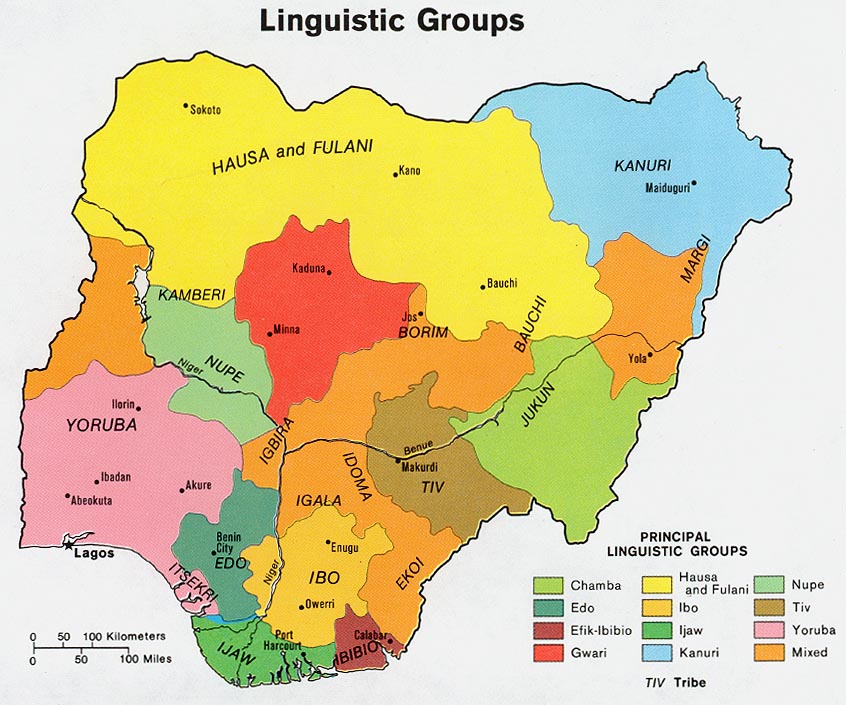
The Como Karim are a small ethnic community living in northeastern Nigeria, primarily in parts of Borno State near river valleys and open savanna. Their location places them among several other minority peoples of the region, with whom they have interacted through trade, migration, and shared use of land. The Como Karim language remains a key expression of identity, carrying oral history, stories of origin, and patterns of social life, even as some people also speak regional languages for wider communication.
Historically, Como Karim communities developed around village life shaped by the environment and by close kinship ties. Leadership and continuity rested in families and respected elders rather than centralized structures. Over time, contact with surrounding populations and religious influences introduced change while leaving many core aspects of community life intact.
Daily life among the Como Karim is closely tied to family cooperation and subsistence work. Many households depend on farming, growing crops suited to the local climate, and caring for small livestock. Work is often shared across extended families, especially during busy seasons, and success depends on mutual effort rather than individual achievement.
Homes are typically clustered, allowing regular interaction among relatives. Children learn responsibilities early by participating in household and farm tasks, while elders are valued for their experience and guidance. Meals are commonly shared, reinforcing relationships and a sense of belonging.
Community gatherings mark important moments such as weddings, funerals, and seasonal transitions. These events provide space for teaching values, strengthening bonds, and reinforcing identity. Life moves according to seasons, weather, and communal responsibilities rather than fixed schedules.
Traditional religious belief is prominent among the Como Karim and shapes how many understand the world. These beliefs involve trust in spiritual forces believed to influence health, protection, fertility, and misfortune. Ritual practices and spiritual specialists play a role in seeking help or restoring balance when life feels uncertain. These are expressions of faith placed in unseen powers rather than mere cultural customs.
At the same time, Christianity is present among the Como Karim, and some individuals identify as followers of Jesus Christ. Where Christian faith exists, it introduces new ways of understanding forgiveness, hope, and relationship with God. In some lives, Christian commitment and traditional spiritual trust exist side by side, pointing to the ongoing need for clear biblical teaching that directs faith fully toward Christ alone.
The Como Karim face practical challenges related to economic stability, access to education, and healthcare, especially in rural settings. Environmental uncertainty and limited infrastructure place pressure on families and communities.
Spiritually, there is need for patient and faithful gospel teaching that addresses fear and uncertainty with the hope found in Jesus Christ. Believers among the Como Karim need encouragement and discipleship rooted in Scripture so their faith can grow in clarity and confidence. With Christians present among them, there is opportunity for spiritual growth that leads not only to stronger local churches, but also to a vision for sharing Christ with other peoples who lack a gospel witness.
Pray for strength, provision, and unity among Como Karim families.
Ask God to deepen biblical understanding and spiritual maturity among believers.
Pray for church leaders to be equipped to teach and shepherd with wisdom.
Ask the Lord to help believers place full confidence in Christ rather than spiritual fear.
Pray that Como Karim Christians will share the hope of Christ with neighboring communities without a gospel witness.
Scripture Prayers for the Como Karim in Nigeria.
https://www.ethnologue.com
https://www.britannica.com/place/Borno
https://www.britannica.com/place/Nigeria
Provide your feedback on BizChat
| Profile Source: Joshua Project |