


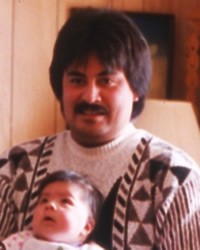

The Northwestern Ojibwa are part of the larger Ojibwe (Anishinaabeg) peoples whose traditional homelands stretch from the forests and waters of what is now Ontario and Manitoba. The Ojibwe constitute one of the largest indigenous peoples in North America, historically living across woodlands and lake regions where rivers, lakes, and forests shaped seasonal movement and community life. Their identity connects with a broader Anishinaabe heritage that includes shared language and cultural practices across related groups.
Contact with European settlers and later Canadian expansion brought profound change through the fur trade, treaties, settlement pressures, and social disruption. Despite these forces, Northwestern Ojibwa communities have maintained distinct cultural identity and community bonds grounded in language, tradition, and connection to the land.
Northwestern Ojibwa life has traditionally been rooted in a deep relationship with the natural environment. Rivers, lakes, forests, and seasonal cycles guided fishing, hunting, trapping, gathering wild rice, and cultivating gardens where possible. Canoes built from birch bark were essential for travel and trade across waters, while snowshoes and other traditional tools supported life through winter.
Family and kinship remain central to community life, with extended families and clan relationships shaping responsibilities, education of youth, caregiving, and cultural teaching. Language remains an important marker of identity; the Northwestern Ojibwa language belongs to the Algonquian family and continues to be spoken within communities, preserving stories, songs, and traditional knowledge in the heart language of the people.
Cultural traditions include artistic expression such as beadwork, multigenerational storytelling, and seasonal gatherings that reinforce community cohesion. While many now live in a mix of settings including reserves and towns, cultural activities and ceremonial gatherings continue to serve as anchors for identity and continuity.
Through Christian witness over time, many Northwestern Ojibwa now identify with Christianity. The Christian faith has been incorporated by individuals and families into their lives, with believers seeking to follow Jesus Christ in ways that resonate with their context. Scripture, including portions translated into the Northwestern Ojibwa language, offers believers access to God's word in their own linguistic framework, supporting growth in faith and understanding.
Northwestern Ojibwa communities continue to value the preservation of language, cultural heritage, and social cohesion as they engage with the wider society of Canada. Support for cultural revitalization, language teaching, and community programs can strengthen these foundations for future generations.
Spiritually, believers among the Northwestern Ojibwa benefit from discipleship, opportunities for fellowship, and faithful biblical teaching that honors both Scripture and cultural identity. Development of local leadership committed to guiding churches in culturally sensitive and biblically grounded ways is important for long-term spiritual growth.
Pray that the Northwestern Ojibwa people will hear and understand the good news of salvation through Jesus Christ in ways that connect with their language and culture.
Pray for believers among the Northwestern Ojibwa to grow strong in faith, rooted in Scripture, and to encourage one another in following Christ.
Pray for wise, faithful local leaders to emerge who can teach the Bible clearly and disciple others with love and humility, even those from other people groups
Pray for families and communities to experience hope, unity, and transformation through the power of the gospel.
Scripture Prayers for the Ojibwa, Northwestern in Canada.
https://en.wikipedia.org/wiki/Northwestern_Ojibwa
https://en.wikipedia.org/wiki/Ojibwe
https://indigenousdance.ca/en/cultures/ojibwe/who-we-are/
https://www.ethnologue.com/language/ojb
| Profile Source: Joshua Project |


