


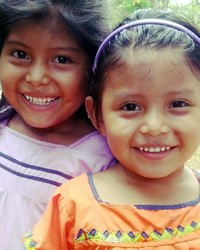

The Part-Indian population in El Salvador refers to individuals of mixed heritage, combining indigenous ancestry with other ethnic backgrounds, most commonly Spanish. This group is often identified within the broader mestizo majority, which has developed over centuries of cultural blending following the arrival of Spanish colonizers in the 16th century.
Before European contact, the region now known as El Salvador was home to several indigenous peoples, including the Pipil and Lenca. With the Spanish conquest came significant social and cultural transformation. Intermarriage between indigenous peoples and Spanish settlers led to the emergence of a mixed population that gradually became the dominant cultural group in the country.
Today, most Part-Indians in El Salvador live throughout the nation, both in urban centers and rural communities. Spanish is the primary language, though remnants of indigenous languages and cultural expressions can still be found in certain regions. Over time, many have adopted a shared national identity that blends indigenous roots with Hispanic cultural influences.
Part-Indians in El Salvador typically live lives shaped by a mix of traditional values and modern economic realities. Many reside in cities where they work in commerce, manufacturing, education, or service industries. Others remain in rural areas, engaging in agriculture, growing crops such as corn, beans, and coffee.
Family life is highly valued, and households often include extended family members. Strong relational ties provide support during times of economic difficulty, which is important in a country where many face financial challenges. Respect for elders and close-knit community life are common features of their social structure.
Cultural traditions reflect both indigenous and Spanish influences. Festivals often include music, dance, and religious observances tied to the Catholic calendar. Celebrations such as patron saint festivals are widely observed, blending faith with local customs, food, and communal gatherings.
Daily life can be difficult for many, as economic inequality and limited job opportunities create ongoing struggles. Migration has also shaped family structures, with some members leaving for work abroad, especially to the United States, while maintaining close ties to those at home.
Most Part-Indians in El Salvador identify with Christianity, most commonly within the Roman Catholic Church, though Protestant evangelical churches have grown significantly in recent years. Religious life is often visible in community celebrations, church attendance, and personal devotion.
However, for many, faith is expressed more through tradition than through a clear understanding of the gospel. Catholic practices may include reverence for saints, participation in rituals, and observance of holy days. In some areas, elements of indigenous belief systems persist, blending with Christian terminology. These can involve trust in spiritual forces, rituals for protection or blessing, and a worldview that includes unseen spiritual influences.
Evangelical churches have introduced a stronger emphasis on personal faith in Jesus Christ, Scripture, and discipleship. Those who come to genuine faith often experience significant life change, including renewed family relationships and freedom from destructive patterns.
Despite the widespread presence of Christianity, many still need to hear a clear presentation of the gospel—that forgiveness of sin and eternal life come only through Jesus Christ. There remains a need for faithful teaching and discipleship to help people move beyond tradition into a living relationship with Him.
Physically, many Part-Indians in El Salvador face economic hardship. Access to stable employment, quality education, and healthcare can be limited, especially in rural areas. Poverty can affect nutrition, housing conditions, and opportunities for advancement.
Violence and insecurity in some regions also impact daily life, creating fear and instability. These conditions can disrupt education, strain families, and limit economic growth. Migration, while offering opportunity, can also lead to family separation and emotional challenges.
Spiritually, the greatest need is for a deeper understanding of biblical truth. While many identify as Christian, fewer have a personal relationship with Jesus Christ grounded in repentance and faith. Churches that faithfully teach Scripture and invest in discipleship are essential.
There is also a need for local believers to be equipped and encouraged to share their faith within their communities, helping others come to know Christ and grow in Him.
Pray for improved economic conditions, access to education, and better healthcare for families.
Ask God to bring peace and stability to communities affected by violence.
Pray that those who practice religion out of tradition will come to know Jesus Christ personally.
Ask the Lord to strengthen churches and raise up leaders committed to biblical truth and discipleship.
Scripture Prayers for the Part-Indian in El Salvador.
https://www.britannica.com/place/El-Salvador
https://www.cia.gov/the-world-factbook/countries/el-salvador/
https://www.pewresearch.org/religion/2014/11/13/religion-in-latin-america/
https://www.worldbank.org/en/country/elsalvador
| Profile Source: Joshua Project |


