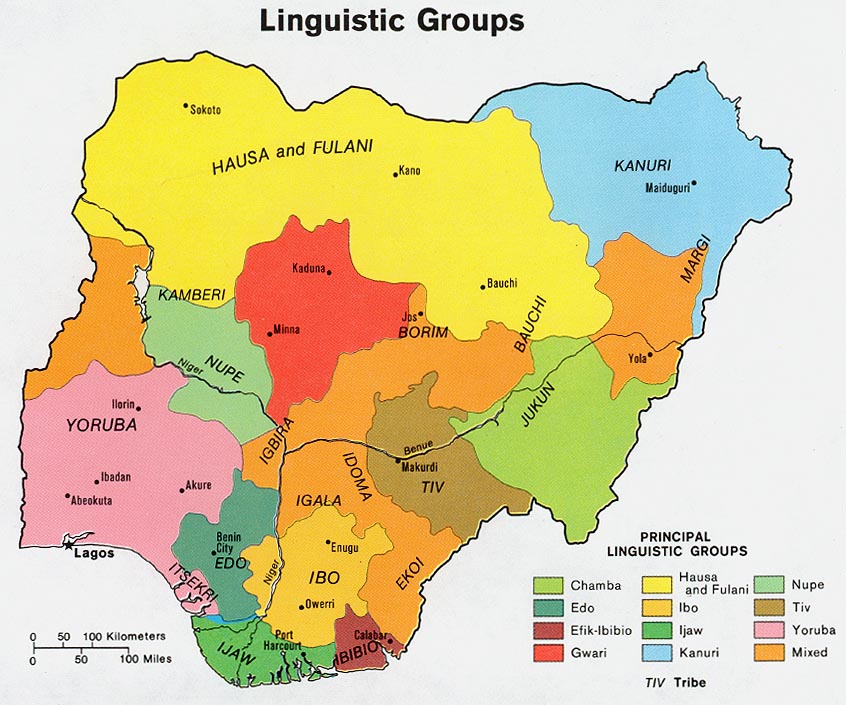
The Idere are a people group located in southern Nigeria, primarily in Cross River State and parts of Akwa Ibom State, including Odukpani and Itu Local Government Areas. They are part of the wider Cross River cultural and linguistic area. Their history is rooted in long-term settlement within forested environments where small, closely connected communities developed through kinship ties, oral tradition, and interaction with neighboring groups. Over time, their location in a densely populated and culturally diverse region has shaped their identity through trade, migration, and inter-community relations.
The Idere live mainly in rural communities where daily life is centered on subsistence farming and small-scale trade. Agriculture remains the primary source of livelihood, with families depending on seasonal rainfall and fertile forest soil to cultivate staple crops. Household structures are typically extended, with strong kinship systems shaping responsibilities, inheritance, and social organization. Elders play an important role in decision-making and cultural preservation. Community life is closely knit and cooperative, with shared labor in farming and active participation in social events. Cultural expression includes storytelling, music, dance, and ceremonies linked to marriage, harvests, and communal identity. Food is locally sourced and based on farm produce, supplemented by forest resources.
The Idere are predominantly Christian, with Christianity forming the main religious identity across the community. Church life is present in different forms and is influenced by both local expressions of faith and broader Christian traditions. Alongside this, some elements of traditional religious beliefs may still be present, particularly in rural areas, where spiritual interpretations of events such as illness, protection, and misfortune can shape worldview. In daily life, Christian belief and traditional understandings of spirituality may exist side by side.
The Idere community faces challenges related to rural isolation and limited infrastructure. Access to healthcare, education, and broader economic opportunities is often restricted by transportation difficulties and underdeveloped services. Schools may be limited in resources and accessibility, affecting long-term educational outcomes for children and youth. Healthcare facilities are often distant or under-resourced, increasing vulnerability to preventable illnesses. Economic life remains largely subsistence-based, making households sensitive to environmental changes and limiting financial stability. There is also a need for stronger community development systems that improve access to essential services and support long-term resilience.
Pray that Idere believers will be firmly grounded in Scripture so that their faith is not shaped by fear, cultural pressure, or competing spiritual interpretations of life events.
Pray that biblical discipleship will deepen among Idere Christians so that faith is clearly passed on within families and communities and produces lasting spiritual maturity.
Pray that Idere believers will take intentional responsibility for reaching surrounding ethnic groups with the gospel, especially in areas where access to Christian witness remains limited.
Pray for the Holy Spirit to bless them abundantly with revival fire in their churches and families.
Scripture Prayers for the Idere in Nigeria.
| Profile Source: Joshua Project |