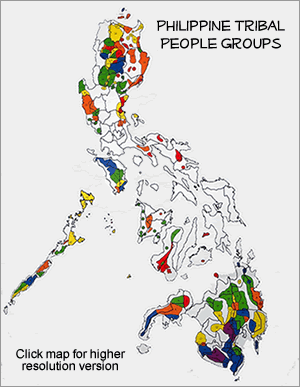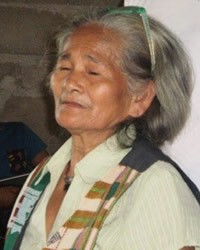

The Bugkalot, also historically known as the Ilongot, live primarily in the forested uplands of northern Luzon, especially along the boundaries of Nueva Vizcaya, Quirino, and Aurora provinces in the Philippines. They are traditionally associated with rugged mountain environments shaped by rivers, dense forests, and shifting settlement patterns. Their language belongs to the Austronesian family and is central to their identity, oral tradition, and social life. Historically, Bugkalot communities were relatively isolated, which allowed them to preserve distinct cultural patterns and a strong sense of clan loyalty. Contact with lowland populations, government programs, and Christian missions increased in the twentieth century, bringing changes in settlement stability, education, and religious exposure while many traditional lifeways continue to influence community identity.
Bugkalot communities have traditionally organized around extended family networks, with strong kinship ties guiding cooperation, conflict resolution, and mutual support. Life in the uplands has long revolved around swidden agriculture, hunting, fishing, and gathering forest products. Small garden plots provide staple foods, while forest resources contribute to daily needs and seasonal activities. Villages are often small and dispersed, reflecting adaptation to terrain and subsistence patterns. Oral storytelling, communal work, and shared rituals reinforce social bonds. Increasing interaction with nearby towns has introduced schooling, trade, and new economic opportunities, though many households still value traditional knowledge of land and environment.
Historically, Bugkalot spiritual life centered on a worldview that recognized unseen forces, ancestral influence, and the importance of maintaining harmony with the spiritual realm. Ritual specialists and elders played roles in guiding ceremonies connected to health, protection, and community well-being.
In more recent generations, many Bugkalot have encountered Christian teaching through mission efforts and local churches, and some identify with various Christian traditions while elements of older beliefs may still shape cultural understanding. Scripture is available in languages they can access, and Christian communities are present among them.
Bugkalot communities continue to navigate the balance between preserving cultural identity and adapting to broader social and economic changes. Remote geography can affect access to education, healthcare, and infrastructure. There is an ongoing need for opportunities that strengthen families, support sustainable livelihoods, and encourage leadership rooted in local culture. Spiritually, continued growth in biblical understanding, discipleship, and locally led church life remains important as communities seek to integrate faith with daily life.
Pray for spiritual growth and deep understanding of scripture among Bugkalot believers.
Pray for wise and humble local leaders who can guide families and churches.
Pray for strengthened family relationships and support for younger generations.
Pray for access to education, healthcare, and sustainable livelihoods that respect their cultural context.
Pray for enduring partnerships that encourage locally rooted expressions of faith.
Scripture Prayers for the Bugkalot in Philippines.
https://www.ethnologue.com/language/ilk/
https://www.sil.org/resources/archives/35524
https://ncca.gov.ph/about-ncca-3/subcommissions/subcommission-on-cultural-communities-and-traditional-arts-sccta/ethnographic-readings/the-ilongot/
| Profile Source: Joshua Project |