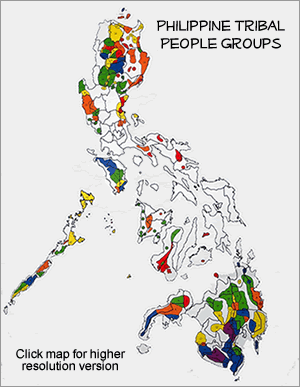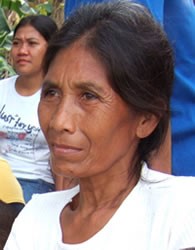

The Kagayanen are an island people primarily inhabiting the municipality of Cagayancillo, which comprises the Cagayan Islands in the central Sulu Sea between Negros and Palawan Province. As speakers of Kagayanen, a Manobo-related Austronesian language, they form part of the Filipino Tribal people cluster. The Kagayanen language is recognized as distinct and resilient within the Greater Central Philippine language family. The Cagayan Islands served as home to the Kagayanen long before colonial contact, with archaeological and anthropological evidence suggesting ancient habitation of the Palawan region dating back thousands of years. During the twentieth century, many Kagayanen migrated from the island homeland to coastal plains throughout Palawan, establishing communities as far north as Busuanga Island and as far south as Balabac Island. Today, Kagayanen villages are scattered across eastern Palawan's coastal regions, with significant populations also living in municipalities including Roxas, Narra, and Puerto Princesa City, where they maintain their distinct cultural identity and linguistic heritage.
The Kagayanen are primarily a seafaring people whose lives center on fishing and maritime traditions shaped by centuries of island life. Handline fishing, traditional cast nets, and bamboo fish traps represent time-honored techniques passed down through generations, with fishermen expertly reading seasonal patterns and ocean conditions to guide their work. Family structures emphasize strong kinship bonds, with extended families living in close proximity and sharing fishing knowledge and resources. Agricultural pursuits including farming complement fishing activities, with families cultivating crops alongside their maritime livelihoods. The Kagayanen demonstrate remarkable adaptability and practical skills in maritime environments, managing boats and fishing equipment with competence earned through experience and cultural transmission.
Community celebrations and gatherings bring families together, with food preparation and shared meals forming important aspects of social and family life. The Kagayanen maintain deep cultural traditions and beliefs that guide daily decisions, from timing of activities to spiritual practices that reflect their connection to the sea and natural world. Children grow up learning fishing skills and cultural practices through participation in family work and community life.
The Kagayanen practice Roman Catholicism, the dominant faith established throughout Palawan Province through Spanish colonial influence and maintained as a central part of their religious identity. The Catholic Church shapes their spiritual calendar, and patron saints hold important places in village celebrations and community identity. Alongside formal Catholicism, traditional spiritual beliefs and practices continue to influence aspects of Kagayanen life, particularly relating to their maritime environment and ancestral customs. Traditional beliefs regarding spirits, protective amulets, and cultural practices blend with Catholic observance in ways common among Philippine indigenous peoples. The Kagayanen demonstrate spiritual openness and awareness of transcendent realities, acknowledging spiritual dimensions in their understanding of the world. This spiritual orientation creates opportunity for deeper encounter with Jesus Christ and the transformative message of the gospel among a people already seeking spiritual truth and divine blessing.
Educational opportunities remain limited for many Kagayanen children, with distance to quality schools and economic pressures limiting school attendance and completion rates. Language preservation presents an important concern as younger generations increasingly use Cebuano, Tagalog, and English alongside or instead of Kagayanen. Healthcare access in island and remote coastal communities requires traveling significant distances, with minimal medical facilities and limited trained health workers serving scattered villages. Economic opportunities beyond fishing and farming remain scarce, leaving families vulnerable to economic fluctuations affecting marine resources and agricultural production. Clean water and sanitation infrastructure remain inadequate in many Kagayanen settlements, contributing to health challenges that better infrastructure could prevent. Infrastructure development including improved roads, ports, and market access would enhance economic opportunity and reduce isolation. Fishing communities face declining marine resources due to environmental pressures, requiring sustainable livelihood development and support for adapting to changing conditions.
Pray for God to provide for their physical needs in such a way they will glorify him.
Ask the Lord to call forth faithful Kagayanen believers who will boldly proclaim the gospel among their own people and families, sharing Christ's hope and redemption with clarity and conviction.
Intercede for Bible translation work in the Kagayanen language, asking the Lord to move workers and resources toward completing Scripture in their mother tongue so that all who speak Kagayanen can encounter God's word directly.
Pray that Kagayanen believers, encountering the sufficiency and power of Christ, will commit themselves to becoming part of the global gospel force, taking the light of Christ to unreached peoples throughout the Philippines and beyond.
Scripture Prayers for the Kagayanen in Philippines.
https://www.wycliffephilippines.org/projects-kagayanen
https://www.peoplegroups.org/Explore/groupdetails.aspx-peid=7701
https://langsci-press.org/catalog/book/443
https://en.wikipedia.org/wiki/Peoples_of_Palawan
https://www.ethnicgroupsphilippines.com/languages-in-the-philippines/kagayanen/
| Profile Source: Joshua Project |