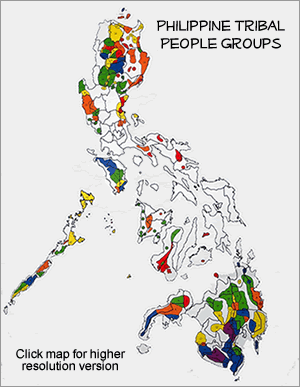

The Tagbanwa are among the oldest Indigenous peoples of the Philippines, historically linked by some scholars to the ancient Tabon Man and long recognized as original inhabitants of Palawan. They live mainly in central and northern Palawan, including the municipalities of Aborlan, Quezon, Puerto Princesa, Coron, Busuanga, and parts of El Nido.
Their name means "people from our place," reflecting a strong attachment to their homeland.
The primary language names used by Joshua Project include Tagbanwa (e.g., Tagbanwa, Aborlan). There are several Tagbanwa languages—Aborlan Tagbanwa, Calamian Tagbanwa, and Central Tagbanwa—each tied to different areas of Palawan.
Historically, they practiced agriculture, hunting, and fishing, traded with visiting groups, and maintained a sophisticated syllabic script known as Surat, one of the few surviving pre-colonial writing systems in the Philippines.
The Tagbanwa rely on both farming and marine resources. Agriculture includes swidden fields for rice, corn, root crops, and other staples, with fishing as a major livelihood, especially among coastal groups.
They live in compact villages with bamboo-and-wood homes roofed with anahaw, sustaining close nuclear families. Monogamy is the norm, although polygamy is permitted but rarely observed. Marriage is highly valued, and divorce is discouraged when children are involved.
They are known for wood sculpture, weaving, pottery, and their continued familiarity with the blowgun. Their cultural expressions include ritual wine-drinking during community celebrations and the famous Pagdiwata ritual, which marks significant events such as bountiful harvests and weddings.
Festivals often include dance traditions like Kendar, performed during important gatherings and rituals.
Food and social life also reflect their strong ties to land and sea; even today Tagbanwa women showcase local dishes such as silipeten at cultural festivals in Coron, preserving traditional culinary identity.
The Tagbanwa traditionally hold an ethnic belief system centered around spirits connected to land, sea, ancestors, and daily life. They recognize deities and spiritual beings involved in human affairs.
Some also identify with Christian traditions. These influences may coexist, reflecting the community's historical interactions with outside groups.
From a Bible-believing Christian standpoint, Jesus Christ alone offers forgiveness, truth, and new life, and God desires to bless the Tagbanwa with his grace and guidance.
Many Tagbanwa communities face limited access to education, healthcare, and stable incomes. Land encroachment, modernization pressures, and declining language vitality threaten cultural continuity.
Sustainable livelihood support is important, especially in agriculture and fishing. Strengthening infrastructure could improve access to markets, medical help, and disaster response.
Spiritually, continued discipleship can help believers grow in biblical understanding while navigating the challenges of cultural change.
Pray for improved access to education, healthcare, and sustainable livelihood opportunities among Tagbanwa households.
Pray for protection of their ancestral lands and for wisdom as they navigate environmental and economic pressures.
Pray for spiritual growth among Tagbanwa believers, that God's word will guide their daily lives.
Pray that Tagbanwa Christians will join in sending workers to communities with little or no gospel witness.
Scripture Prayers for the Tagbanwa, Kalamian Baras in Philippines.
https://en.wikipedia.org/wiki/Tagbanwa
https://linguistics.upd.edu.ph/the-katig-collective/language-capsules/tagbanwa-central/
https://www.csueastbay.edu/museum/virtual-museum/the-philippines/peoples/tagbanwa.html
https://www.remotelands.com/travelogues/tribal-tagbanua-the-guardians-of-coron/
https://www.samdhana.org/stories/women-behind-tastes-and-tales-tagbanwa
| Profile Source: Joshua Project |