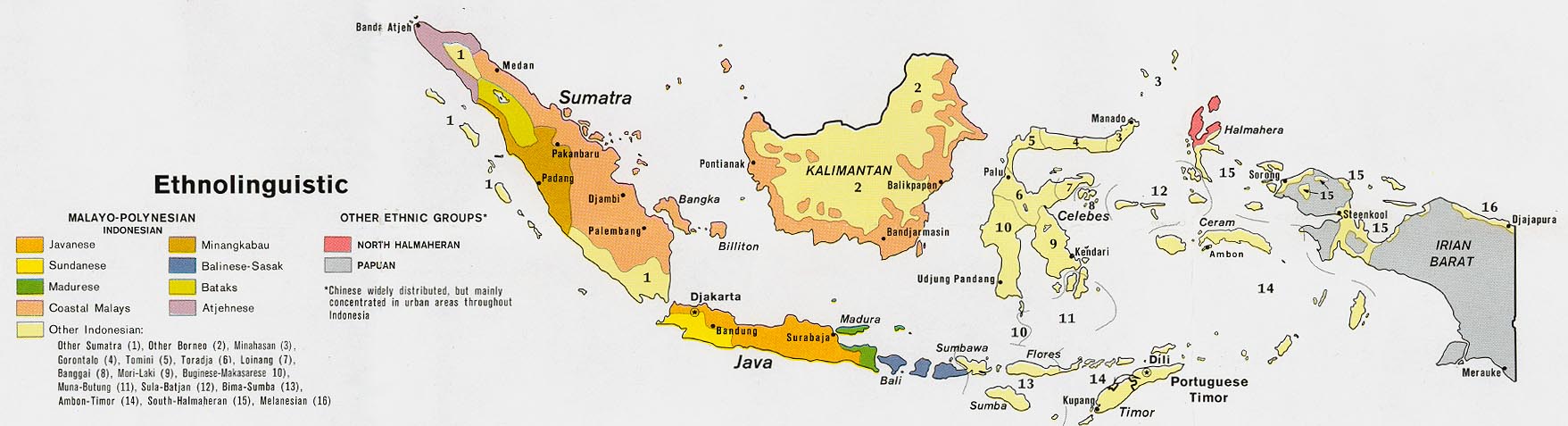
The Lamma people live in eastern Indonesia, where they form a small ethnic community with their own language and cultural identity. Their history is closely tied to the rugged terrain and coastal environment of their homeland. Like many groups in the region, they have long maintained clan-based social structures and practiced traditions passed down through generations. Oral history, ancestral ties, and customary law shape their understanding of community life. Although modern transportation and communication have begun to influence their villages, the Lamma still preserve many elements of their culture.
Most Lamma families rely on farming and fishing for their livelihood. They cultivate rice, corn, tubers, and vegetables on small fields that depend on seasonal rainfall. Some households also keep livestock such as chickens, pigs, and goats, which provide meat for daily use and for ceremonies. Work is shared among family members, and community cooperation plays an important role during planting, harvesting, and building projects.
Extended families often live in close proximity, maintaining strong kinship support networks.
Celebrations revolve around the agricultural cycle as well as major life events such as weddings and funerals. Traditional music, dancing, and communal feasting help reinforce social bonds. Lamma cuisine includes rice, sago, corn dishes, leafy greens, fish, and roasted meat, with special meals prepared during festivals. Although modern conveniences are steadily increasing, village life remains strongly communal.
Christianity is present among the Lamma, yet traditional religion still dominates their worldview. Many continue to follow certain ancestral customs, especially those involving respect for spirits, sacred places, and rituals that mark significant seasons or community events. Even those who participate in church life may retain older practices tied to clan identity or protection from spiritual harm.
The Lamma people face ongoing physical needs related to limited economic opportunities, fluctuating crop yields, and challenges accessing dependable clean water. Many villages are geographically isolated, which restricts education, healthcare, and income options for younger generations.
Spiritually, the Lamma need strong discipleship resources and mature local believers who can walk alongside families as they develop a deeper understanding of Christ. Some communities still struggle with fear-based spiritual practices, and they would benefit from the clarity and hope of the gospel. Churches need encouragement and training so they can grow in unity and engage actively in God's mission among their neighbors.
Pray for improved access to clean water, stable food sources, and sustainable livelihood opportunities for Lamma households.
Pray that the Lamma churches will mature in faith and become active participants in sharing Christ with surrounding communities.
Ask God to raise up workers who can communicate biblical truth clearly in the Lamma language and cultural context.
Pray that younger generations will receive educational opportunities and encounter Jesus in ways that transform their families and future.
Scripture Prayers for the Lamma in Indonesia.
Regional ethnographic resources on eastern Indonesian peoples.
Linguistic and cultural field notes from Indonesia's lesser-known ethnic groups.
| Profile Source: Joshua Project |