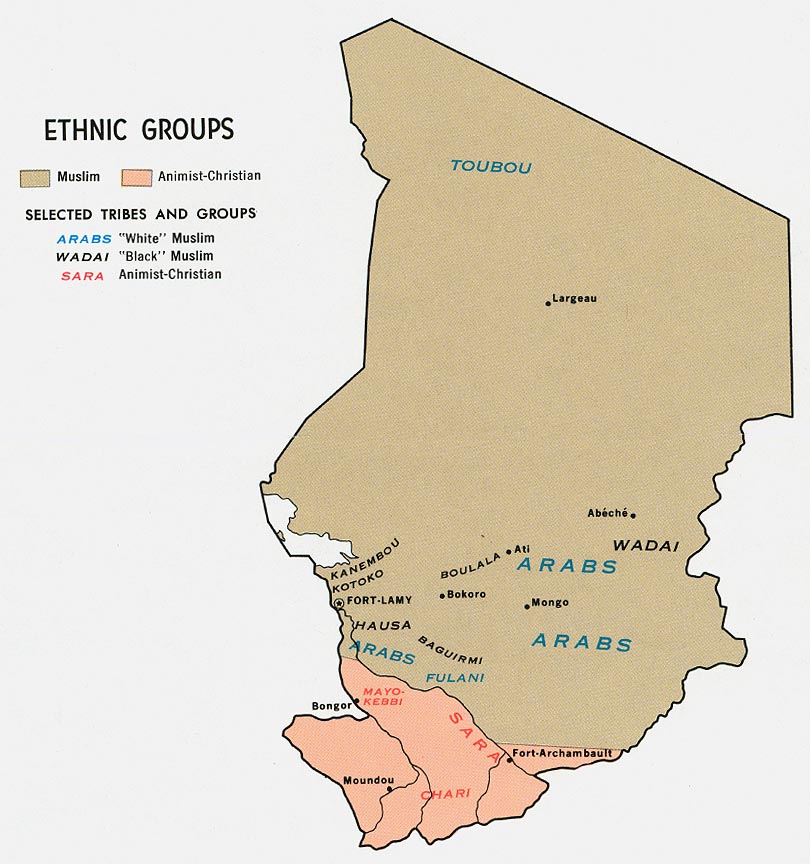
The Mundang are an ethnic people of southwestern Chad, primarily in Mayo Kebbi Est and Mayo Kebbi Ouest regions. About a third of them live in Cameroon. They speak the Mundang language (mua), which is part of the Mbum branch of the Niger Congo language family. They are closely related to other Mbum-speaking peoples across the Chad Cameroon border.
Mundang communities have traditionally been settled agriculturalists, living in villages for generations. Settlement in present-day Chad was shaped by historic migration and cross-border links with northern Cameroon. The Mundang language was first written with a Latin alphabet in the 20th century, and portions of the Bible have been translated into Mundang.
Mundang communities are rural and village-based. Daily life centers on subsistence agriculture, including millet, sorghum, cassava, peanuts, and vegetables. Livestock such as cattle and goats are raised, and some households cultivate cotton or brew millet beer.
Homes are typically mud brick with thatch or mud roofs. Extended family relationships are central, especially during planting and harvest seasons. Children assist in household and field work while attending school when available.
Infrastructure is limited. Many villages lack electricity, clean water, healthcare, and well-resourced schools. Poor roads isolate communities from larger towns and markets, constraining economic opportunities.
About half identify as Christian, with access to audio Scripture, recorded gospels, and the JESUS Film in the Mundang language. Islam is present in some villages, with families participating in Muslim observances alongside customary rituals. Religious identity is often syncretistic, with families blending traditional, Muslim, and Christian practices, especially during births, marriages, and funerals. Traditional beliefs emphasize ancestor veneration and spiritual forces that influence health, natural events, and community life.
The Mundang face developmental and spiritual needs. Villages often lack clean water, sanitation, healthcare, and adequately resourced schools. Many children leave school early to assist with farming.
Economically, dependence on subsistence agriculture and limited market access constrains household income. Programs that enhance agricultural productivity, literacy, vocational skills, and income diversification would strengthen resilience.
Spiritually, there is a need for culturally sensitive evangelism, Scripture engagement, and training of local Christian leaders. Traditional beliefs and syncretism can hinder understanding of the gospel, making ongoing outreach essential. Holistic approaches combining spiritual outreach with development initiatives would support overall wellbeing and open doors for gospel engagement.
Pray that the Mundang will hear and understand the gospel clearly.
Pray for church leaders and pastors to be trained and equipped for discipleship and church multiplication, even in other cultures.
Pray for traditional spiritual barriers to be broken by God's power.
Pray for holistic church growth that transforms families and communities.
Pray for education improvements enabling children and youth to pursue learning.
Pray for better healthcare access and sanitation in Mundang villages.
Pray for economic development programs that strengthen households.
Pray for a movement of the Holy Spirit bringing lasting transformation.
Scripture Prayers for the Mundang in Chad.
Mundang is an Mbum language spoken in Chad and Cameroon, part of the Niger-Congo family.
The Mundang of Chad are part of the Adamawa-Ubangi people cluster with links to communities in Cameroon.
Ethnographic sources describe the Mundang historica
| Profile Source: Joshua Project |