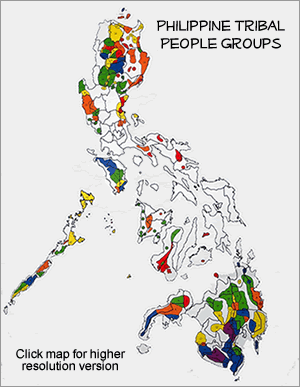
The Northern Kalinga are one of the indigenous ethnolinguistic groups of the Cordillera region in northern Luzon in the Philippines. They live primarily in the mountainous areas of Kalinga Province, especially in municipalities such as Tinglayan, Tabuk, and surrounding highland communities. Their homeland is marked by rugged mountains, river valleys, and rice terraces carved into steep slopes.
The people speak Northern Kalinga, a language belonging to the Austronesian family. Many also speak Ilocano or Filipino for trade, education, and interaction with the wider society, yet their mother tongue remains a key marker of identity. Oral tradition, clan ties, and customary law have historically shaped their social structure.
The Northern Kalinga were known in earlier times for strong tribal alliances and conflict resolution systems based on customary peace pacts. Over the past century, roads, schools, churches, and government structures have brought increasing integration with the rest of the nation. Despite these changes, the Northern Kalinga continue to value their land, ancestry, and cultural distinctiveness.
Most Northern Kalinga families today depend on agriculture. Rice farming is central, and irrigated rice terraces remain a defining feature of the landscape. Corn, vegetables, coffee, and root crops are also cultivated. Some families raise pigs and chickens, while others engage in small businesses, government employment, or teaching. Younger generations may pursue higher education and work in urban centers, yet many maintain close ties to their home villages.
Rice is the staple food and is eaten at nearly every meal. It is commonly accompanied by vegetables, fish, or pork. Meals are simple but filling, often prepared over wood fires. Coffee is widely enjoyed, especially in the highlands where it is grown locally.
Family life is tightly knit. Extended families frequently live near one another, and kinship plays a strong role in decision-making. Elders are respected, and community leaders help mediate disputes and organize cooperative labor. Marriage joins not only two individuals but also their clans, reinforcing social bonds.
Community celebrations remain important. Local festivals often coincide with harvest seasons or town anniversaries. Cultural dances, traditional music, and shared meals strengthen communal identity. At the same time, many celebrations now incorporate Christian elements such as church services and prayers of thanksgiving.
Access to education has improved, and literacy rates are higher than in previous generations. Concrete homes, mobile phones, and improved transportation reflect growing modernization, yet daily life in many areas still revolves around farming and community cooperation.
The Northern Kalinga today are predominantly Christian, with many identifying as Roman Catholic and others affiliated with Protestant and evangelical churches. Churches are active in both rural and urban communities, and Christian worship services are a regular part of weekly life. The Bible has been translated into local languages, increasing access to Scripture.
Although Christianity is widespread, elements of traditional belief systems may still influence cultural practices. In earlier generations, animistic beliefs centered on spirits associated with nature and ancestral forces. While overt ritual practices have declined, respect for ancestral customs and traditional taboos may still shape certain decisions and ceremonies.
For many Northern Kalinga, spiritual maturity and biblical discipleship vary. In some places, faith is deeply personal and transformative; in others, it may be more cultural than experiential. There remains a need for ongoing teaching that emphasizes a personal relationship with Jesus Christ and a clear understanding of the gospel.
Because there is a visible Christian presence, the Northern Kalinga are positioned not only to grow in their own faith but also to participate in reaching other indigenous groups in the Cordillera and beyond who have limited access to the gospel.
Sustainable agricultural support and fair market access would strengthen farming families facing economic pressure. Improved infrastructure in remote barangays would enhance healthcare delivery and educational opportunities. Wise stewardship of ancestral lands is essential as development and outside investment increase.
Spiritual growth and strong biblical teaching are vital so that Christian faith moves beyond tradition into deep discipleship. Local churches would benefit from leadership training that equips pastors and lay leaders to teach Scripture faithfully. A renewed vision for mission could mobilize believers to share the gospel with less reached neighboring groups.
As modernization continues, younger generations face moral and social challenges that require clear guidance rooted in God's word. The transforming power of Jesus Christ remains central to addressing both spiritual emptiness and practical hardship.
Pray for economic stability and improved healthcare and education in remote Northern Kalinga communities.
Pray for strong, biblically faithful church leadership and effective discipleship.
Pray that younger generations will follow Christ wholeheartedly amid social change.
Pray that Northern Kalinga believers will become part of the gospel force reaching less evangelized peoples in the Philippines.
Scripture Prayers for the Kalinga, Northern in Philippines.
https://www.peoplegroups.org
https://www.ethnologue.com
https://www.britannica.com/place/Luzon
| Profile Source: Joshua Project |