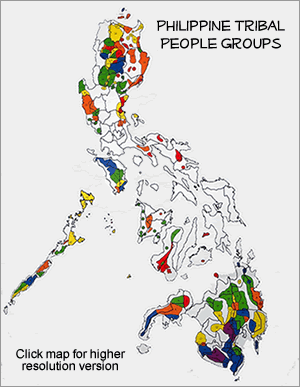

The Porohanon are an island people inhabiting the Municipality of Poro on Poro Island in the Camotes Islands, a group situated in the Camotes Sea east of Cebu Province. As Visayan people, they are part of the wider Visayan ethnolinguistic group, the largest in the Philippines. The Porohanon speak Porohanon, a distinct language recognized by the Komisyon ng Wikang Filipino as separate from Cebuano, though they share many linguistic similarities. Porohanon is one of the most endangered languages in the Visayas, with fewer speakers each generation as Cebuano and English dominate. The Camotes Islands hold historical significance as an early Pacific contact point between East and West. According to local legend, Poro Town was founded in 1780 when two warring tribes—farmers from Tag-anito and fishermen from Mactang—resolved their differences through the intervention of a gentle giant named Panganuron. They agreed to rise at dawn and walk toward each other until meeting, and at their convergence point, they built a unified town. This story of peaceful resolution is commemorated annually through the Tagbo Festival held each January, where "tagbo" means "to meet."
The Porohanon maintain a simple, community-oriented lifestyle centered on maritime and agricultural activities. Farming rice, corn, cassava, and coconut forms the backbone of their economy, with agricultural work shaping the seasonal rhythms of family and village life. Fishing remains an important livelihood for many Porohanon, particularly those living near coastal areas who continue traditional fishing practices sustained through generations. Some families have begun earning income through emerging tourism opportunities as resorts and water sports attract visitors to their islands. Family structures emphasize close kinship bonds where extended families live nearby and make community decisions collaboratively. Food preparation reflects their island heritage, with freshly caught seafood, root crops, and rice dishes forming daily staples. The Porohanon are known for their warm, hospitable nature and maintain strong respect for community leaders and elders whose guidance shapes village decisions. Celebrations and fiestas bring communities together in joyful expressions of thanksgiving, with families preparing special dishes and participating in vibrant street dancing and festive activities throughout their villages.
The Porohanon practice Roman Catholicism, the dominant faith established during centuries of Spanish colonial influence in the Philippines and deeply embedded in their cultural identity. The Catholic Church shapes their spiritual calendar and community celebrations, most visibly through the annual Tagbo Festival held each January in honor of their patron saint, Santo Niño de Poro. Religious processions, church attendance, and veneration of saints form central spiritual expressions in Porohanon life. The connection between faith and community identity is evident in how religious celebrations unite families and neighborhoods in shared devotion and thanksgiving. Fiestas honoring patron saints bring entire communities together for Masses, processions, and festive gatherings where food is shared freely and traditions pass to younger generations. While Roman Catholicism provides their religious framework, the Porohanon demonstrate openness to spiritual understanding and awareness of transcendent realities, creating opportunity for gospel transformation through encounters with Jesus Christ.
Language preservation represents an urgent challenge as the Porohanon language faces extinction, with younger generations increasingly adopting Cebuano and English. Educational opportunities remain limited despite two colleges on the islands, and many families struggle financially to send children to secondary schools. Economic development has progressed slowly, leaving most families dependent on subsistence farming and fishing that generate minimal income for essential needs like school fees and healthcare. Healthcare access demands traveling significant distances, as medical facilities on the islands are minimal and lack many essential services and trained staff. Clean water and sanitation infrastructure remain inadequate in many communities, contributing to preventable health problems. Infrastructure improvements including better roads connecting communities to markets and government services would enhance economic opportunity. Many families live in simple structures vulnerable to typhoons and extreme weather conditions, with limited disaster preparedness resources.
Pray that Jesus Christ would reveal himself to the Porohanon people through personal encounters with his love, grace, and transforming power.
Ask the Lord to raise up Porohanon believers who will become bold witnesses to their families and neighbors, sharing the gospel with passion and clarity in their mother tongue and in Cebuano.
Intercede for the completion of Scripture translation into the Porohanon language so that God's word would be accessible to all who speak this endangered language and ask God to move the hearts of believers and translators to prioritize this work.
Pray that believers among the Porohanon would recognize Jesus Christ as the source of all blessing and would commit their lives to becoming part of the global missionary force, sharing the hope of Christ with unreached peoples throughout the Philippines and beyond.
Scripture Prayers for the Porohanon in Philippines.
https://joshuaproject.net/people_groups/14446/RP
https://en.wikipedia.org/wiki/Poro_Island
https://en.wikipedia.org/wiki/Camotes_Islands
https://www.academia.edu/90068365/Porohanon_as_an_Island_Language
| Profile Source: Joshua Project |