


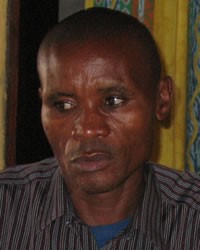

The Vanuma are a Bantu-speaking ethnic group living in the northeastern region of the Democratic Republic of Congo, especially in areas near rivers and forest zones. Like many peoples in Central Africa, their origins are tied to historic migrations of Bantu-speaking communities that spread across the region over many generations. These migrations brought farming knowledge, ironworking skills, and social structures that still shape Vanuma life today.
Traditionally, the Vanuma have lived in small, kinship-based communities, where identity is closely tied to extended family and clan relationships. Their history has also been shaped by outside pressures, including colonial rule, regional conflicts, and economic instability. These forces have influenced patterns of settlement, access to resources, and cultural continuity, but the Vanuma have maintained a distinct cultural identity rooted in language, land, and family ties.
Most Vanuma people live in rural villages where daily life centers on agriculture. Families typically grow crops such as cassava, plantains, maize, and groundnuts. Farming is usually done by hand using simple tools, and both men and women contribute to the work. Fishing and small-scale hunting may also supplement their diet, especially for those living near rivers or forested areas.
Food preparation is a central part of daily life. Meals often consist of cassava-based dishes served with vegetables, fish, or occasionally meat. Cooking is usually done over open fires, and meals are shared among family members.
Households often include multiple generations, and elders are respected for their wisdom and leadership. Decisions are frequently made collectively, with strong emphasis on maintaining harmony within the community. Marriage is an important institution, often involving agreements between families rather than just individuals. Events such as marriages, births, and harvest seasons are marked with music, dancing, and shared meals. Traditional songs and storytelling are used to pass down history and cultural values from one generation to the next.
Access to education and healthcare can be limited, especially in remote areas. Many communities rely on informal systems of knowledge and local remedies for health concerns.
The Vanuma are associated with Christianity, which has been introduced through missionary activity over time. However, elements of traditional belief systems often continue alongside Christian practices. These traditional beliefs typically include a recognition of a supreme creator as well as the influence of ancestral spirits.
In daily life, spiritual concerns may involve seeking protection, healing, or guidance through both Christian prayer and traditional practices. Some individuals may consult local spiritual leaders or use rituals that reflect older beliefs about the spirit world.
Christian teachings, where present, are often expressed through local churches and community gatherings. However, access to consistent biblical teaching and discipleship may be limited, especially in more isolated areas. As a result, a clear understanding of the Bible and a fully developed Christian worldview may not be widespread.
The Vanuma face ongoing physical challenges, including limited access to healthcare, clean water, and reliable food sources. Infrastructure such as roads and schools is often underdeveloped, making it difficult for communities to access education and economic opportunities. Conflict in the broader region has also contributed to instability and displacement in some areas.
Spiritually, there is a need for deeper understanding of the message of the Bible and for consistent teaching that helps believers grow in their faith. Many people may identify as Christian but lack access to trained leaders, Scripture in their preferred language, or regular fellowship. There is also a need for culturally relevant discipleship that speaks to the realities of their daily lives.
Leadership development is another important need, as local leaders can play a key role in guiding their communities both spiritually and socially. Strengthening families and supporting youth are also critical for long-term growth and stability.
Pray for improved access to healthcare, education, and clean water in Vanuma communities.
Pray for strong, biblically grounded leaders to emerge among the Vanuma people.
Pray that those who identify as Christians will grow in understanding and live out their faith daily.
Pray that believers will share the message of Christ with neighboring communities in meaningful ways.
Scripture Prayers for the Vanuma in Congo, Democratic Republic of.
| Profile Source: Joshua Project |


