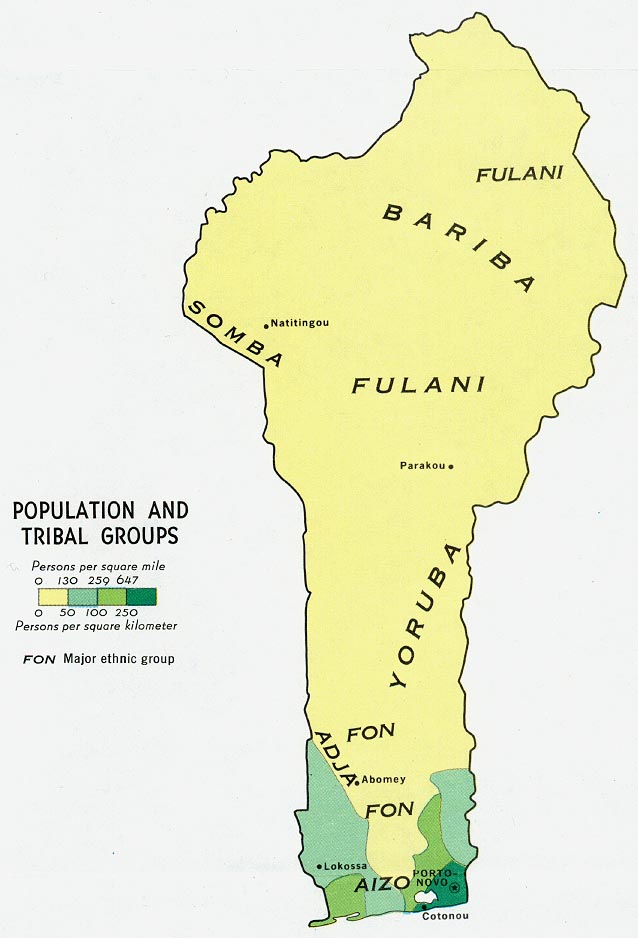
The Xwela Gbe live in southern Benin, especially around the Lake Ahémé area and nearby coastal communes in Mono and Atlantique. Their communities are associated with places such as Comé, southern Bopa, Kpomassè, and Ouidah, placing them in a lagoon-and-coast setting that has long connected local peoples through fishing, trade, and movement between villages. Their language is Xwela Gbe, one of the Gbe languages of southern Benin, and linguistic studies place the Xwela within the wider Phla–Pherá branch of the Gbe family.
Historically, the Xwela belong to a region shaped by older Gbe migrations and by centuries of coastal interaction. Broader scholarship on the Gbe-speaking world notes that Xwla-Xwela communities are part of the coastal peoples of this area, while Ouidah and its surrounding zone became major centers of commerce and cultural mixing over time. That wider setting helps explain why the Xwela are part of a deeply layered coastal society rather than an isolated inland people.
Xwela life is best understood through their southern Benin setting. Many live in towns and villages near lagoons, lakes, and the coast, where family life is closely tied to kin networks, local markets, and community obligations. In such communities, households often remain strongly interconnected, with elders, extended relatives, and local leaders shaping decisions about marriage, work, and social responsibility. Because highly specific ethnographic detail for the Xwela themselves is limited in widely accessible sources, it is wisest to describe daily life with care rather than pretend to know every local custom.
In a place like Lake Ahémé and the Ouidah coastal belt, livelihoods commonly center on fishing, small-scale farming, trading, and market exchange. Food often comes from fish, maize-based meals, cassava, yams, palm products, and other staples common to southern Benin. Festivals and recreation are often communal rather than individualistic: church gatherings where Christian influence is present, family celebrations, market-day activity, music, dance, and traditional ceremonies all tend to matter. Because the Xwela are part of a coastal Gbe-speaking environment, mobility between villages and nearby towns is likely more common than among remote inland groups.
The Xwela Gbe are mostly followers of ethnic religions, even though there is a smaller Christian presence among them. That means the dominant spiritual framework is not biblical Christianity but trust in traditional spiritual powers, unseen forces, and inherited religious practices. In a setting like this, people may seek protection, blessing, healing, or guidance through rituals, sacred specialists, or spirit-centered practices rather than through repentance and faith in Jesus Christ alone.
Because there is some Christian presence, there may be people or communities that identify with Christianity while still blending it with older spiritual loyalties. Where that happens, the issue is not simply cultural tradition but divided faith. If Christ is named while fear of spirits, ritual protection, or traditional religious dependence remains central, then the gospel has not yet fully taken root in biblical clarity. Scripture resources are reported as available in their language.
The Xwela need a clear and faithful gospel witness that calls them to trust Christ alone and turn from every competing spiritual allegiance. Since ethnic religion remains dominant, the greatest need is not mere exposure to Christian vocabulary but true conversion, biblical understanding, and freedom from fear-based spiritual systems. Where Christianity is present, it must be strengthened so that believers do not mix Christ with older religious loyalties.
Practically, southern Benin's coastal and lagoon communities can also face everyday needs tied to livelihoods, infrastructure, and access to services. Communities dependent on fishing, farming, and local trade often benefit from better health care, stronger schools, cleaner water systems, and reliable transport between villages and larger towns. These are not the deepest needs, but they do affect family stability and long-term community well-being.
Pray that the Xwela Gbe would turn from every spirit-centered religious practice and trust in Jesus Christ alone.
Pray that the small Christian witness among them would be bold, biblically faithful, and free from compromise.
Pray for stronger access to medical care, education, clean water, and stable livelihoods in their coastal communities.
Pray that believers among the Xwela would mature in Christ and become a gospel witness to African peoples who still do not know the Lord.
Scripture Prayers for the Gbe, Xwela in Benin.
https://www.ethnologue.com/language/xwe/
https://glottolog.org/resource/languoid/id/east2390
https://www.sil.org/resources/publications/entry/41570
https://www.britannica.com/place/Ouidah
https://www.researchgate.net/publication/290945014_Ouidah_as_a_multiethnic_community
| Profile Source: Joshua Project |