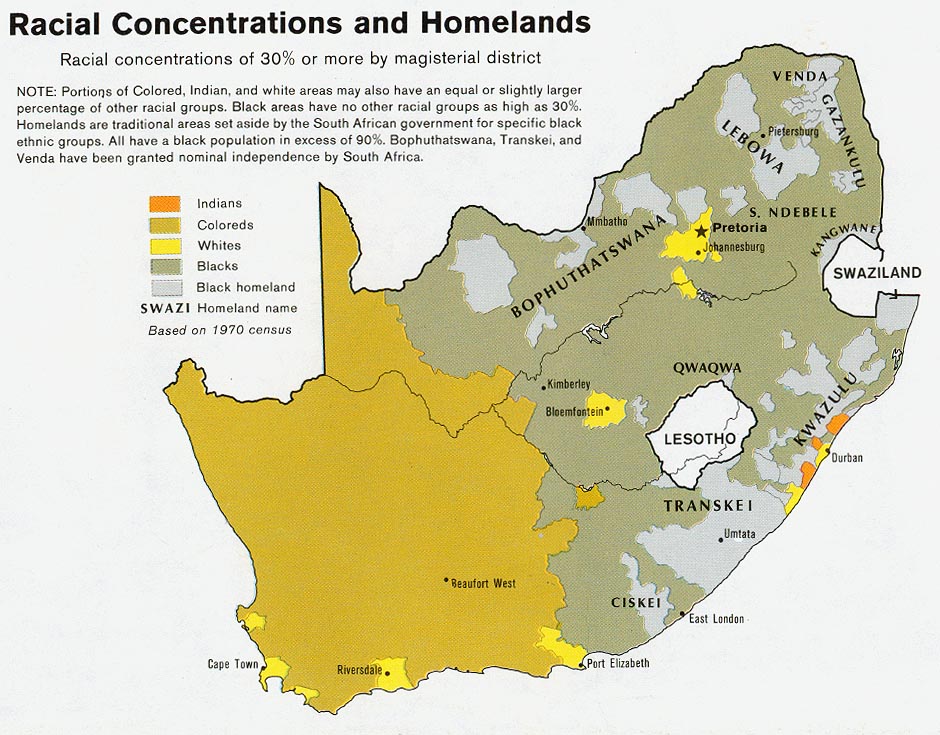
The Coloured Creole people of South Africa are part of the broader Coloured community, a distinct multicultural group with roots in the Cape region that stretches into parts of the Western and Northern Cape provinces and beyond. Historically the term "Coloured" in South Africa has described people of mixed ancestral origins, including African, European, Asian, and Indigenous Khoisan heritage, a result of centuries of migration, colonial settlement, trade, and social blending. Within this broad community, Coloured Creole refers to speakers of a local variety of Cape Coloured Creole English/Afrikaans-influenced speech, shaped by linguistic interaction and adaptation over generations, especially in coastal and urban settings. The most common, however, is Oorlams.
Coloured Creole communities are typically urban and peri-urban, with family and kinship networks forming the foundation of social life. Extended families and multiple generations often live nearby, offering mutual support in education, employment, child-rearing, and household care. Many work in a range of occupations spanning services, trades, government work, education, and small business, with daily life influenced by the rhythms of South Africa's diverse society.
Cultural expressions include music, dance, food traditions, and language use that reflect a blend of local Khoisan, African, European, and Asian influences unique to the region. Community gatherings, church activities, and shared celebrations provide social cohesion, while market life, sports, and arts engagement are significant parts of daily rhythm.
Most Coloured Creole people identify as Christian, participating in denominations such as Methodist, Anglican, Dutch Reformed, Pentecostal, and other churches. Church communities are often central to worship, fellowship, and moral formation, with Scripture used in services, small-group study, and personal devotion. The Bible is widely available in English and Afrikaans, which are common languages of church and public life, and many believers engage Scripture personally or in group settings.
Cultural heritage, including traditional values around family and community, continues to influence how beliefs are lived out. While formal Christian identity shapes moral frameworks and spiritual practice for many, personal faith expression varies greatly across individuals and communities.
Coloured Creole communities face a range of social and spiritual needs. Deepening biblical discipleship and strengthening local church leadership are important for nurturing mature faith that equips believers to live out Scripture in complex social environments. Support for youth ministry, family discipleship, and community outreach helps bridge generational gaps and foster resilient faith.
Economic opportunity, access to quality education, health care, and community development remain vital for family stability and overall well-being. Encouragement for unity, reconciliation, and constructive engagement across diverse South African society contributes to healthy community life and spiritual growth.
Pray for Coloured Creole believers to grow in understanding and application of Scripture that shapes family life, work, and community engagement.
Pray for pastors, teachers, and ministry leaders to be equipped with wisdom, compassion, and insight as they serve their congregations.
Pray for unity, peace, and mutual support within homes, neighborhoods, and church communities.
Pray for youth and young adults to be grounded in faith and confident in their witness amid cultural and social pressures.
Pray that Coloured Creole Christians will be effective ambassadors of Christ's love and reconciliation in a diverse society.
Scripture Prayers for the Coloured Creole in South Africa.
https://en.wikipedia.org/wiki/Coloureds
https://www.ethnologue.com/language/afr
| Profile Source: Joshua Project |