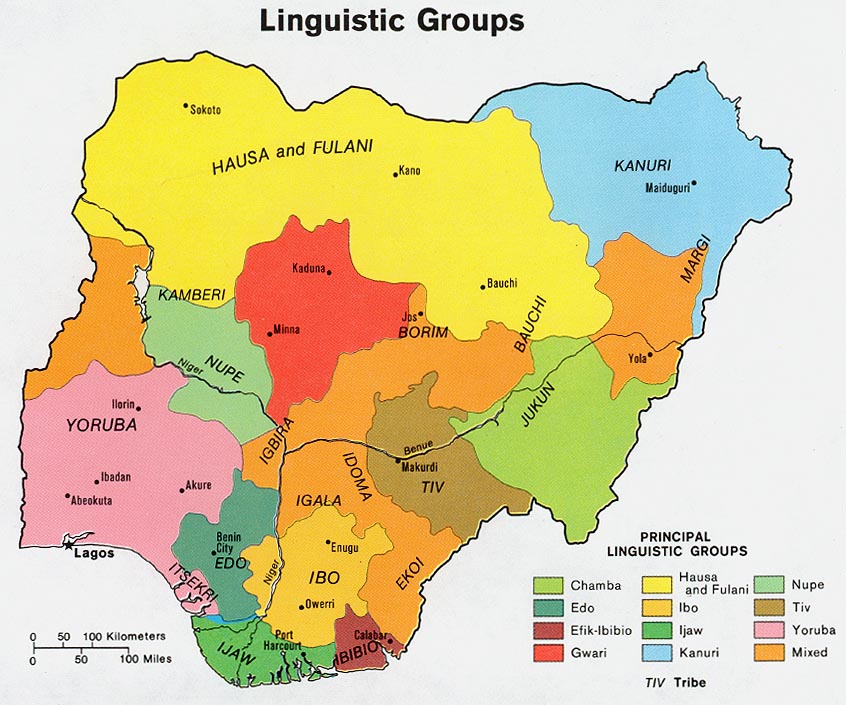
The Kapya people live in eastern Nigeria, primarily in Taraba State, within the Takum Local Government Area, centered around the village of Kapya. They are part of the Benue cluster of Sub-Saharan peoples and maintain a distinct cultural identity within the region.
Their traditional language is Kapya, a Plateau language of the Niger–Congo family. It is spoken by adults in the community and remains their primary means of communication in village life, though younger generations may not be learning it as consistently. Historically, before the arrival of both Christianity and Islam, the Kapya practiced their own traditional religious beliefs. Today their identity reflects a mix of older heritage and influences from surrounding ethnic groups and modern Nigerian society.
The Kapya people are primarily agricultural, relying on farming as the center of daily life. Families cultivate local crops, keep small livestock, and participate in local markets where produce and handmade goods are exchanged. Work rhythms follow seasonal patterns, and cooperative labor remains an important community value.
Family life is built around extended kinship networks. Elders play a guiding role in social structure and are often responsible for passing down stories, customs, and practical knowledge. Marriages, harvest festivals, and community gatherings form natural points of celebration. These events strengthen ties between clans and reaffirm shared cultural identity.
Traditional arts, oral history, and village-based celebrations are still practiced. Though life has become increasingly influenced by broader Nigerian culture, many Kapya households intentionally maintain older customs while navigating the demands of school, trade, and regional transportation.
Christianity has a noticeable presence among the Kapya, though ethnic traditional practices remain highly influential. Some Kapya individuals embrace a Christian worldview, while others maintain a blend of ancestral beliefs and modern influences. Traditional practices often focus on respect for ancestors, community cohesion, and local spiritual customs.
From a Bible-believing standpoint, we affirm that Jesus Christ is the only true source of salvation, hope, and transformation for individuals and communities. Existing Christian communities among the Kapya continue to grow but would benefit from stronger discipleship and renewed passion for biblical truth.
The Kapya people face practical challenges common in rural Nigerian life, including limited access to reliable medical care, clean water, and well-developed roads. Education opportunities vary, and language preservation is a concern as younger generations shift toward more widely spoken regional languages.
Spiritually, local churches need encouragement, sound biblical teaching, and strengthened leadership. Opportunities for Scripture engagement in the Kapya language would deepen understanding of God's Word. Families and youth benefit from support systems that reinforce both cultural dignity and gospel-centered transformation.
Pray that Kapya believers will grow deeply in Christ and remain steady in their witness despite regional pressures.
Pray for improved access to healthcare, water, and education to strengthen families and reduce hardship.
Pray for the development of strong local Christian leaders who teach scripture faithfully.
Pray that Kapya Christians will join the wider body of Christ in bringing the gospel to less-reached peoples.
Scripture Prayers for the Kapya in Nigeria.
https://en.wikipedia.org/wiki/Kapya_language
https://joshuaproject.net/people_groups/18830
https://www.ethnologue.com/language/klo
https://lughayangu.com/kapya
| Profile Source: Joshua Project |