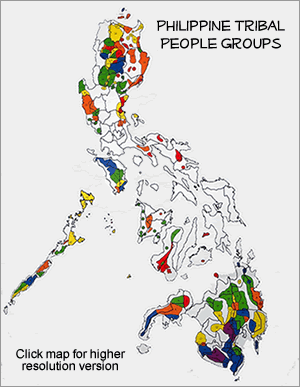
The Pulangiyen Manobo are an Indigenous people living along the Upper Pulangi River in Bukidnon, with communities extending into nearby valleys and watersheds. Their identity is closely tied to the river systems where their ancestors settled. Historical accounts describe them as part of the broader Manobo family, traditionally living near rivers or forest clearings. Early migrations occurred as they moved away from lowland encroachment and colonial pressures, choosing the mountains and forests for their autonomy and way of life.
Generations of Pulangiyen families lived by hunting, gathering, and moving between forested river systems such as the Pulangi, Agusan, Tagaloan, and Maasam. Later, American occupation and government integration programs encouraged settled communities. Logging pressures in the 1960s–80s severely disrupted their environment and livelihood, yet they have worked toward environmental recovery and cultural continuity.
Most Pulangiyen Manobo engage in small-scale farming using a traditional rotating field system known as sakum, which emphasizes soil rest and forest protection. They cultivate diverse crops and rely on forest resources for supplementary food and materials.
Families tend to be closely knit, guided by elders, datus (leaders), and cultural specialists such as baylans (ritual practitioners). Community decision-making emphasizes cooperation and respect. Some families practice arranged or consensual plural marriages to strengthen alliances, though this is not universal.
Meals commonly consist of rice, root crops, wild greens, and food gathered from the forest. Celebrations often include traditional dances, distinctive attire, and rituals invoking blessing and guidance.
Education initiatives in recent decades have helped strengthen cultural identity while giving younger generations access to broader opportunities, though economic challenges remain in remote areas.
Most Pulangiyen Manobo traditionally followed their ethnic religion, recognizing a creator—often referred to as Magbabaya—and various spirits connected to land, water, and ancestors. Ritual leaders offer prayers for protection, harmony, and guidance.
Some individuals and families have become Christians, though traditional beliefs remain strong within the community. Those who follow other faiths generally integrate their values with community life.
Remote mountain communities face challenges in education access, economic opportunity, and sustainable land use as forests and watersheds continue to recover from past pressures. Stable livelihoods, safe water, and improved health services remain difficult for many families.
Spiritual growth is also needed so that the good news of Jesus may take root deeply, transforming lives and communities. Where churches exist within Pulangiyen areas, they benefit from discipleship support and encouragement to reach neighboring places that have little gospel witness.
Pray for open hearts to Jesus Christ and for his peace to guide families facing economic and environmental challenges.
Pray for wisdom and strength for community leaders, especially as they protect their land and support education for the next generation.
Pray for local believers to grow in faith and demonstrate Christ's love in daily life.
Pray for Pulangiyen Christians to send workers to communities that still lack a clear gospel witness.
Scripture Prayers for the Manobo, Pulangiyen in Philippines.
https://www.academia.edu/27832021/The_Pulangiyen_Manobo_of_Bukidnon_Their_Narrative
https://jesuitbukidnonmission.org/lumad-tribes-of-bukidnon
https://apupalamguwancenter.essc.org.ph/-p=1252
https://www.studocu.com/ph/document/university-of-the-philippines-cebu/social-work/escalona-research-the-pulangiyen-manobo-of-bukidnon/103537421
https://joshuaproject.net/people_groups/19186/RP
https://www.seameo.org/LanguageMDGConference2010/doc/presentations/day3/PedroWalpole-sn.pdf
| Profile Source: Joshua Project |