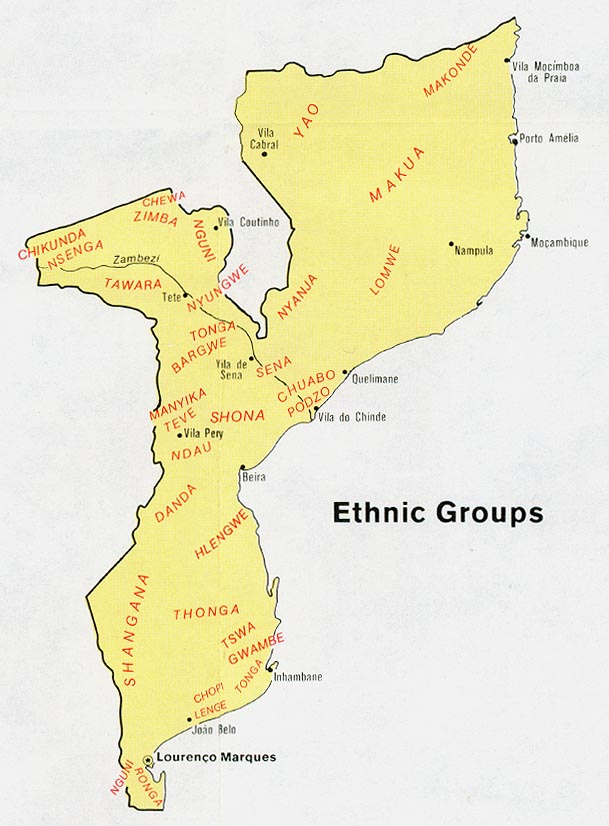
The Ndonde people, also known as Mawia, speak the Vadonde dialect of the Makonde language, which belongs to the Bantu branch of the Niger-Congo language family and is used primarily in northern Mozambique. This dialect is distinct within the Makonde linguistic group and has seen the development of written materials, including portions of the Bible translated into Makonde. Historically, the Ndonde are an indigenous ethnic group located exclusively in Mozambique, particularly in the Cabo Delgado province around the Mueda area, where they have maintained their cultural identity despite influences from colonial rule and regional migrations. Their ancestors resisted slave traders from various groups during the 18th and 19th centuries, and later they played a role in the struggle for independence from Portuguese colonial authority in the 20th century, contributing to the formation of modern Mozambican society.
The Ndonde people reside in rural communities in the Cabo Delgado province of northern Mozambique, where they engage in subsistence agriculture, growing crops such as cassava and maize, alongside activities like fishing and small-scale livestock keeping. Daily life centers on matrilineal family structures, with inheritance and kinship traced through the mother's line, and husbands often relocating to their wives' villages upon marriage.
They are renowned for their intricate wood carvings made from local hardwoods, which depict scenes from everyday life, spiritual figures, and communal stories, serving both artistic and practical purposes in their households. Initiation rites form a key part of their cultural practices, with ceremonies for boys and girls marking the transition to adulthood through teachings on morals, discipline, and community roles. Interactions with neighboring groups and broader Mozambican society have introduced modern elements, yet traditional values of community cooperation and ancestral respect continue to shape their social dynamics.
The Ndonde people hold Islam as their primary religion. Some individuals among them follow Christianity. Some maintain traditional ethnic religious practices that involve rituals connected to their ancestral heritage.
Access to reliable education is scarce in the remote regions inhabited by the Ndonde, limiting opportunities for youth to acquire essential skills and participate in national development. Healthcare resources remain insufficient, exposing the community to health risks and inadequate treatment for common ailments. Enhancements in basic infrastructure, such as improved roads and access to clean water, would greatly improve living conditions and economic prospects.
The proclamation of the gospel of Jesus Christ requires dedicated workers to reach those without it, fostering opportunities for spiritual transformation through his mercy. Building connections with evangelical networks could help mobilize resources for ongoing ministry efforts.
Pray that the Ndonde people receive enhanced medical support and sanitation facilities, easing physical burdens and promoting well-being in their villages.
Ask for God's blessing on educational initiatives and livelihood opportunities, enabling families to achieve greater stability and self-sufficiency.
Intercede for the arrival of committed workers to share the saving grace of Jesus Christ with those who have not yet heard the gospel.
Seek the Lord's guidance for believers among them to grow in faith and join the global discipleship movement.
Lift up community leaders, praying for wisdom to address both material challenges and spiritual hunger.
Scripture Prayers for the Ndonde in Mozambique.
https://en.wikipedia.org/wiki/Makonde_people
https://kwekudee-tripdownmemorylane.blogspot.com/2013/03/makonde-people-east-africas-master.html
| Profile Source: Joshua Project |