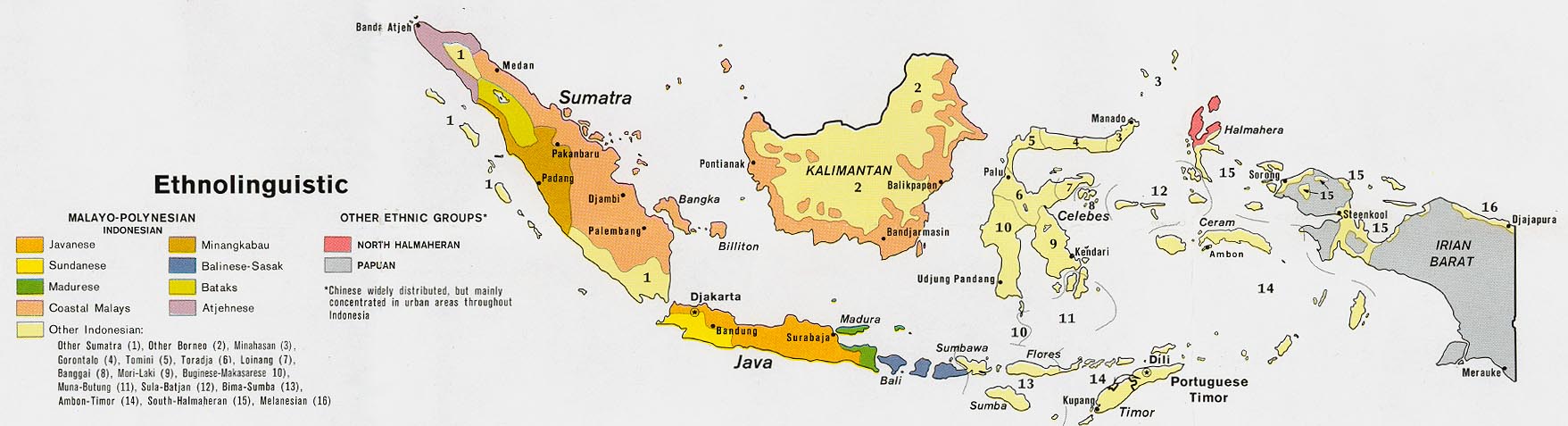
The Galoli are an ethnic group living primarily along the northern coast of Timor, especially in eastern areas of Indonesia and across the border into Timor-Leste. They are one of several closely related peoples on the island, yet they maintain a distinct identity through their language, traditions, and localized history. The Galoli language belongs to the Austronesian family, reflecting ancient migration patterns that brought seafaring peoples through Southeast Asia and into the Timor region centuries ago.
Historically, the Galoli have lived in small coastal and inland communities, shaped by both isolation and outside influence. Trade networks, colonial rule, and later national developments introduced new structures and beliefs, yet village life has remained central. Their history includes interaction with Portuguese and Dutch colonial systems, which left linguistic, religious, and administrative influences that are still evident today. Despite these changes, Galoli identity continues to be rooted in kinship ties, ancestral lands, and oral traditions passed from one generation to the next.
Daily life among the Galoli often revolves around agriculture and the rhythms of the natural environment. Many families cultivate crops such as maize, cassava, and rice, supplemented by fishing in coastal areas. Work is typically shared among family members, with men and women contributing in complementary ways to farming, food preparation, and household responsibilities.
Meals are simple but nourishing, often consisting of staple crops combined with vegetables, fish, or occasionally meat during special occasions. Food preparation is both practical and communal, with extended families frequently sharing meals and resources.
Family is the center of Galoli society. Extended family networks provide support, identity, and social structure. Elders are respected for their wisdom and play a key role in decision-making and preserving traditions. Marriage is not only a union between individuals but also between families, often accompanied by customary exchanges and ceremonies.
Celebrations and community gatherings mark important moments such as marriages, harvests, and religious observances. These events include music, storytelling, and shared meals, reinforcing social bonds and cultural continuity. Traditional practices remain important, even as modern influences slowly shape younger generations.
Among the Galoli, religious life reflects a combination of formal affiliation and deeply held spiritual practices. Many identify with Christianity, particularly within traditions shaped by historical missionary influence. Church participation, prayers, and observance of Christian holidays are visible aspects of community life.
At the same time, traditional beliefs continue to hold strong influence. Many Galoli people place trust in spiritual forces connected to ancestors, the land, and unseen beings. These beliefs are expressed through rituals, offerings, and a concern for maintaining harmony with the spiritual world. Illness, misfortune, and success may all be understood in spiritual terms, leading individuals to seek guidance or intervention through traditional means.
This blending of influences often results in a worldview where Christian identity coexists with ongoing reliance on spiritual practices rooted in older belief systems. While these practices reflect sincere efforts to understand and navigate life, the message of the Bible teaches that true reconciliation with God comes only through Jesus Christ, not through ancestral mediation or spiritual rituals.
The Galoli face a range of physical and spiritual challenges. In many communities, access to healthcare, education, and economic opportunity remains limited. Infrastructure can be underdeveloped, making it difficult for families to access consistent services or markets for their goods. These conditions can contribute to cycles of poverty and limit future opportunities for younger generations.
Spiritually, there is a need for clear biblical teaching that addresses both professed Christian belief and underlying spiritual fears. Where traditional practices continue to shape daily decisions, there is a need for discipleship that helps believers understand the sufficiency of Christ and the authority of Scripture. The Galoli also need trained local leaders who can teach, encourage, and shepherd their communities in truth.
In addition, there is a need for Scripture and Christian resources in the Galoli language, presented in ways that are understandable and culturally meaningful. Strong, healthy churches can serve as centers of both spiritual growth and community support.
Pray that the Galoli will have greater access to healthcare, education, and sustainable livelihoods.
Pray that those who identify as Christians will grow in a clear and faithful understanding of the gospel.
Pray that spiritual fears tied to traditional beliefs will be replaced with trust in Jesus Christ alone.
Pray for local believers to be equipped and bold in sharing their faith with others in their communities.
Scripture Prayers for the Galoli in Indonesia.
https://www.ethnologue.com
https://www.peoplegroups.org
https://www.operationworld.org
| Profile Source: Joshua Project |