


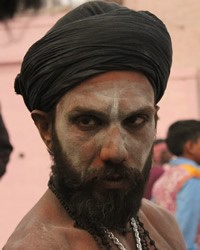

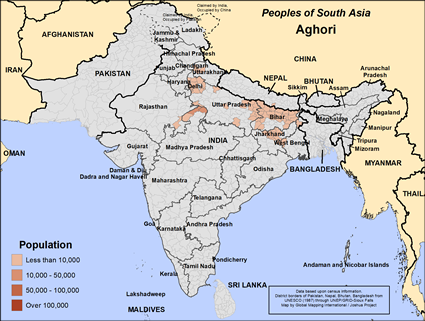
The Aghori are a small and highly distinct group of Hindu ascetics found mainly in northern India, especially around Varanasi. They are not a conventional caste or ethnic group but a religious sect within Shaivism, devoted to the worship of Shiva in his fierce forms. Their tradition traces back to ancient ascetic movements linked to the Kapalika sect, with roots reaching into early medieval India.
Aghoris are widely known—and often rejected—by mainstream Hindu society because of their extreme and unconventional practices. Despite this, they maintain a recognizable identity centered on radical renunciation and a unique interpretation of spiritual reality.
The Aghori live as ascetics, rejecting normal social structures, possessions, and comforts. Many dwell near cremation grounds, where they spend time meditating and performing rituals. Their lifestyle is intentionally extreme, designed to separate them from societal norms and attachments.
They typically live under the guidance of a guru and may spend years in disciplined training. Daily life can include meditation, ritual practices, and wandering. They often wear minimal clothing, cover their bodies with ashes from cremation sites, and use simple or unconventional objects—including human skulls—as part of their ritual life.
Though feared or avoided by many, some rural communities respect them, believing they possess spiritual power or healing abilities gained through their severe practices.
The Aghori follow a form of Tantric Shaivism centered on the belief in non-duality—that all things, including what is considered pure or impure, are ultimately one reality.
To demonstrate this belief, they intentionally engage in practices that violate normal social and religious taboos. These may include living among the dead, using human remains in rituals, and in some cases consuming flesh from corpses. These actions are not random but are meant to break down all distinctions between clean and unclean, life and death.
They worship Shiva, particularly in fierce forms such as Bhairava, and may also venerate deities like Kali. Their goal is liberation (moksha), achieved by transcending fear, disgust, and attachment through extreme ascetic practice.
The Aghori have profound spiritual needs. While deeply religious, their beliefs are rooted in a worldview that rejects moral distinctions and embraces practices that stand in direct contrast to biblical truth. They have little to no meaningful exposure to the gospel and are among the most spiritually resistant groups due to the intensity of their convictions.
Practically, their chosen lifestyle removes them from stable community structures, education, and conventional support systems. Some may live in isolation or depend on offerings from others.
Reaching them requires exceptional wisdom, patience, and long-term commitment. Any engagement must clearly present the truth of Christ while understanding the depth of their philosophical and spiritual framework.
Pray that the Aghori would come to recognize the emptiness of their practices and seek the truth found in Jesus Christ.
Ask God to raise up courageous and discerning workers who are equipped to engage this highly resistant group.
Pray that the Aghori would be adopted through the People Group Adoption program, leading to sustained prayer and intentional gospel outreach.
Pray that those among them who are searching for truth would encounter the gospel and respond in faith.
Scripture Prayers for the Aghori in India.
https://en.wikipedia.org/wiki/Aghori
https://www.worldatlas.com/articles/the-dark-aghori-asceitcs-of-india.html
https://www.emory.edu/EMORY_REPORT/erarchive/2008/August/Aug4/DisBarrettAghori.html
| Profile Source: Joshua Project |




